What a Year This Week Has Been Svg Review
As a designer who has spent years translating digital files into tangible thread and fabric, I approach every new asset with a mix of excitement and skepticism. The phrase "What a year this week has been" is becoming a cultural touchstone, a humorous way to acknowledge the chaos of modern life. When I first opened the What a Year This Week Has Been Svg file on my screen, I was curious about how well this sentiment would translate from a crisp vector graphic into the textured reality of an embroidery project. This isn't just about downloading a file; it is about understanding how the design behaves under a needle, how it sits on different fabrics, and whether it holds up as a viable product for your craft business or personal gift.
First Impressions: Mood and Visual Weight
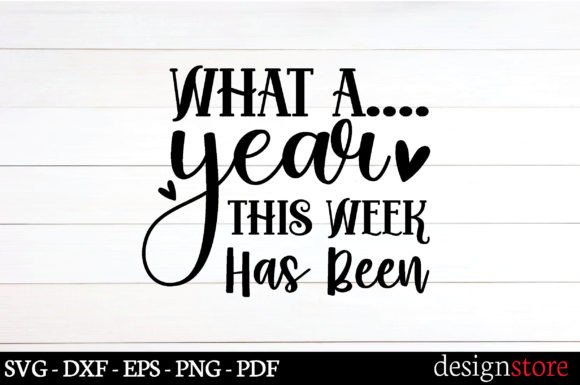
The initial visual impact of What a Year This Week Has Been Svg is immediately relatable. The typography usually leans towards a bold, slightly distressed, or hand-lettered aesthetic that conveys exhaustion mixed with humor. For an embroidery designer, this is crucial because the personality of the text must survive the digitization process. If the original Graphics file relies too heavily on thin serifs or extremely fine details, those elements can get lost in the stitch density. However, if the design features thick, blocky lettering with clear negative space, it is a green light for most machine embroidery applications.
When I visualize this as a machine embroidery design, I see a piece that works best when given room to breathe. It is not a delicate motif meant for a tiny cuff; it is a statement piece. The mood is conversational and grounded, making it perfect for items that people wear daily or display prominently in their homes. The layout suggests a horizontal orientation, which naturally fits across the chest of a sweatshirt or the front panel of a tote bag.
Real-World Application: From Screen to Stitch
Let's talk about a specific scenario. Imagine you are preparing a custom embroidered sweatshirt for a client who runs a small creative agency. They want something that reflects the current vibe without being too corporate. You load the What a Year This Week Has Been Svg into your software and convert it to an embroidery file. Here is where the practical judgment comes in. The text needs to be sized appropriately so that the stitch density does not overwhelm the fabric. On a heavy cotton fleece, a dense fill stitch might make the garment stiff. A balanced approach using a combination of running stitch for outlines and a lighter fill stitch for the interior creates a soft, professional finish that feels like a high-end boutique item rather than a mass-produced print.
This design also shines as a tote bag design. Canvas is forgiving and provides a sturdy base for heavier stitching. If you are selling these as part of a craft business on Etsy, the contrast between the white canvas and dark thread colors makes the text pop. Customers often gravitate toward designs that feel authentic and handmade. When they see the texture of the thread on a finished product, the value perception increases significantly compared to a flat vinyl transfer. It becomes a conversation starter, exactly what a personalized gift should be.
Navigating Challenges: Fabric and Scale
While the design is versatile, there are situations where What a Year This Week Has Been Svg requires careful handling. Small hoop sizes are a potential pitfall. If you try to cram this phrase into a 4x4 inch hoop, the lettering may become illegible, and the stitches could bunch up, ruining the aesthetic. Always confirm the hoop size requirements before committing to a project. For smaller applications, such as a cap or a baby onesie, you might need to simplify the design or select only a portion of the text.
Fabric texture is another critical factor. On smooth, tightly woven fabrics like quilting cotton or twill, the design will look sharp and clean. However, on highly textured materials like boucle or thick denim, the intricate parts of the letters might get lost in the weave. In these cases, using a stronger stabilizer is non-negotiable. Without proper backing, the fabric can pucker, distorting the message. Additionally, working with stretchy fabrics like jersey knit requires extra care to prevent the stitches from pulling the material out of shape over time.
Dark fabrics present their own set of challenges. While the design looks great in white thread on black, ensure you have enough layers of stabilizer to prevent the dark fabric from showing through the gaps in the fill stitch. If you are creating a personalized gift on a dark hoodie, consider adding a layer of cutaway stabilizer or even a small applique design underneath the text to create a solid background for the embroidery to sit on.
Business Value and Commercial Viability
For the Etsy seller or small shop owner, this design offers significant commercial potential. The phrase taps into a shared cultural experience, making it highly shareable on social media. When customers post photos of their new custom apparel, they are essentially marketing your brand for free. The key to success lies in presentation. Use printable mockups to showcase how the design looks on various products before you even stitch them. Show it on a mug, a pillow cover, and a kitchen towel to demonstrate versatility.
However, always remember to check the licensing terms. The product description mentions that the download contains SVG, PNG, DXF, PDF, and EPS files. These are primarily for cutting machines and printing. To use this as a true digital embroidery file, you must ensure the license permits conversion to PES, DST, or other machine formats for commercial sale. Selling the finished embroidered items is generally acceptable, but selling the converted embroidery file itself may violate the terms. Protect your business by verifying these details upfront.
Practical Designer Notes for Success
To get the most out of What a Year This Week Has Been Svg, follow these practical steps:
- Test on Scrap Fabric: Never skip the test run. Stitch the design on a scrap piece of the same fabric you plan to use for the final product. Check for puckering, thread breaks, and alignment issues.
- Check Thread Color Contrast: Ensure the thread color stands out against the fabric. High contrast improves readability and visual appeal.
- Review Stitch Density: Adjust the density settings in your software if the design looks too heavy or too sparse. A good balance ensures durability without stiffness.
- Confirm Hoop Size: Make sure the design fits comfortably within your hoop without stretching the fabric excessively.
- Inspect Small Details: Zoom in on the smallest letters to ensure they will stitch cleanly. If necessary, thicken the lines slightly to prevent gaps.
- Use Proper Stabilizer: Choose a tear-away, cut-away, or wash-away stabilizer based on the fabric type and weight.
- Verify Licensing: Double-check that you have the right to sell finished goods made with this design.
In conclusion, What a Year This Week Has Been Svg is a strong candidate for a variety of Crafts projects, provided you respect its scale and structural needs. It brings a sense of humor and humanity to your work, making it a favorite for holiday gifts, nursery decor, and everyday wearables. By approaching it with a designer's eye—testing thoroughly, choosing the right materials, and respecting the limitations of the medium—you can turn a simple phrase into a high-quality, marketable finished product that resonates with buyers and stands the test of time.