August-Wild Flower: A Designer's Practical Review
As a designer who has spent years navigating the intersection of digital art and physical stitching, I approach every new machine embroidery design with a critical eye. It is not enough for a file to look good on a screen; it must translate seamlessly into thread, stabilizer, and fabric. Recently, I evaluated the August-wild Flower design, a digital asset categorized under Crafts and Graphics, to determine its viability for real-world projects. My goal was to move beyond the surface-level appeal and understand how this specific floral motif performs when transformed from a high-resolution file into a tangible, handmade product.
The First Impression: Mood and Visual Weight
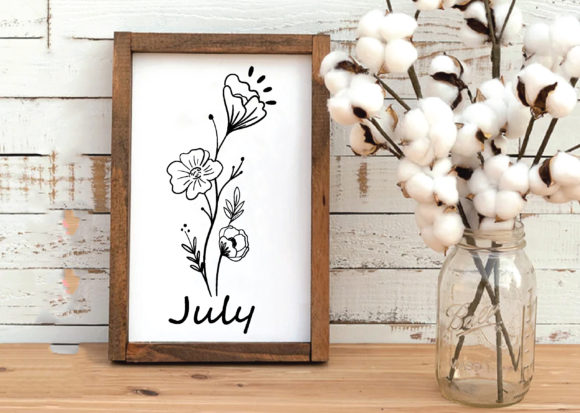
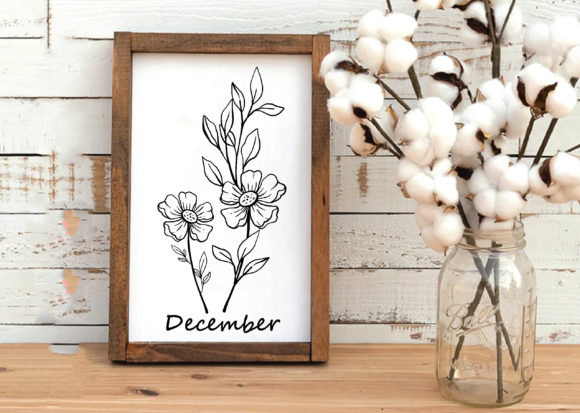
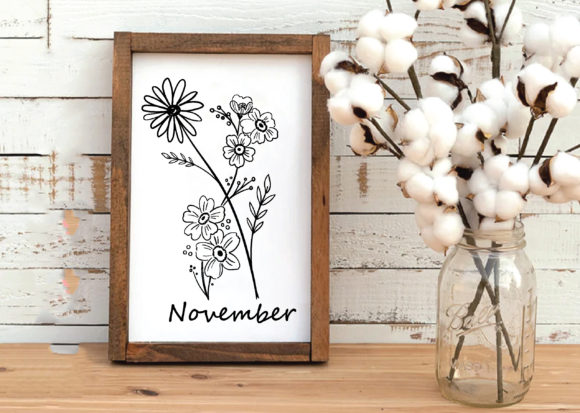
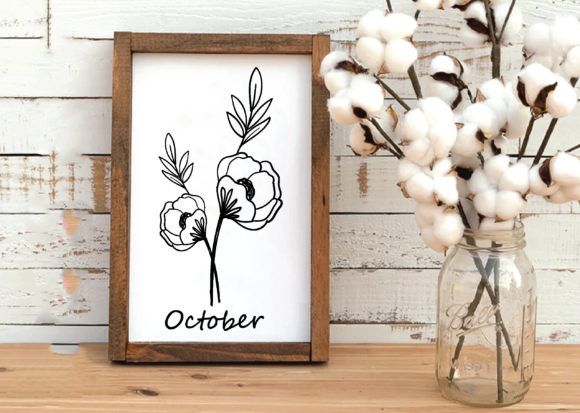
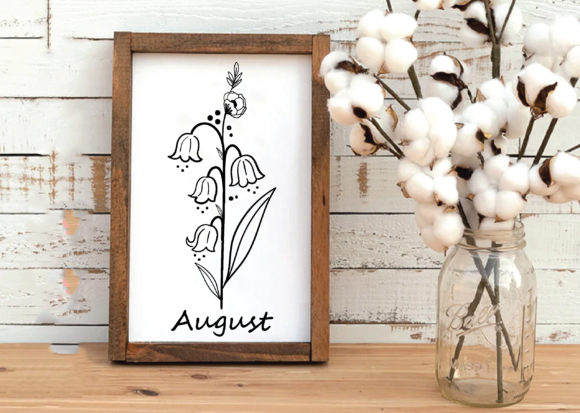
Upon opening the August-wild Flower files, the immediate impression is one of organic elegance. The design captures the essence of late summer flora without feeling overly cluttered. In the realm of digital embroidery file creation, finding a balance between detail and stitch efficiency is often difficult. This design manages to maintain a distinct visual personality while avoiding the trap of excessive density that can ruin delicate fabrics. The layout suggests a natural, slightly wild arrangement, which makes it particularly versatile. It does not scream "formal," but rather whispers "handcrafted charm," making it an excellent candidate for boutique branding or personalized gifts.
For those of us selling on platforms like Etsy or running small craft businesses, the visual weight of a design dictates where it fits in a product line. August-wild Flower feels substantial enough to anchor a piece of custom apparel yet light enough to serve as a decorative accent on home goods. The lines are clean, which is crucial when converting vector graphics into stitch paths. If you are looking for a tote bag design that stands out in a crowded market, this floral motif offers a fresh alternative to the standard geometric or cursive scripts often seen in the industry.
Real-World Application: From File to Fabric
To truly test the utility of August-wild Flower, I envisioned a specific scenario: creating a limited run of embroidered tote bags for a local farmer's market stall. Tote bags are a staple for small shop products, but they require designs that can withstand the texture of canvas and the stress of frequent handling. When I mentally mapped the design onto a 5x7 inch hoop, the flow of the petals and leaves felt balanced. The negative space within the flower allows for adequate air circulation in the stitching, preventing the dreaded puckering that plagues dense fill stitches on heavy cotton.
This design also excels in the context of sweatshirt embroidery. Imagine placing August-wild Flower on the left chest of a heavyweight crewneck. The organic shape complements the casual nature of sweatshirts perfectly. Unlike rigid, symmetrical patterns that can look stiff on soft fleece, the "wild" aspect of this flower adds a touch of movement. For a craft business owner, this versatility means one design file can generate multiple revenue streams, from clothing to accessories, maximizing the return on investment for the digital asset.
Beyond apparel, the potential for embroidered patch production is significant. Patches are a booming category for makers, and this design's defined edges make it ideal for satin stitch borders. Whether applied to denim jackets, backpacks, or hats, the clarity of the August-wild Flower graphic ensures that the details remain sharp even at smaller scales. Furthermore, the design works beautifully for baby embroidery projects. Soft pastels combined with the gentle curves of the flower create a soothing aesthetic perfect for nursery decor, bibs, or onesies, provided the thread colors are chosen carefully to ensure safety and softness against sensitive skin.
Navigating Challenges: Where Caution Is Required
While August-wild Flower is robust, no design is universally perfect without adjustment. As a professional reviewer, I must highlight areas where caution is necessary to ensure a high-quality finished product. One primary concern is the use of this design on textured fabrics like linen or slub cotton. While the design looks great on these materials, the uneven surface can cause minor registration issues if the stitch density is too high. I would recommend testing the design on scrap fabric first to adjust tension settings.
Another critical consideration is the hoop size. Although the design is scalable, shrinking it too much for a small cap or a tiny baby item could result in lost detail. The intricate intersections of the petals might merge if the file is reduced below a certain threshold. Similarly, using this design on stretchy knits requires a strong stabilizer. Without proper backing, the pull of the needle during the fill stitch phases could distort the fabric, ruining the organic shape of the flower.
Color selection is equally vital. On dark fabrics, the contrast of the white or light-colored threads will define the visibility of the design. However, if the design relies heavily on subtle shading, those nuances may be lost on a black background. Always review your thread colors against the intended fabric before committing to a large batch. Additionally, for items that undergo frequent washing, such as kitchen towels or aprons, ensure that the stitching is secure and that the design does not have loose ends that could snag over time.
Professional Notes for Designers and Makers
For anyone planning to integrate August-wild Flower into their workflow, here are some practical notes to ensure success:
- Test on Scrap Fabric: Never skip the test run. Check for puckering, thread breaks, and alignment issues before stitching on your final material.
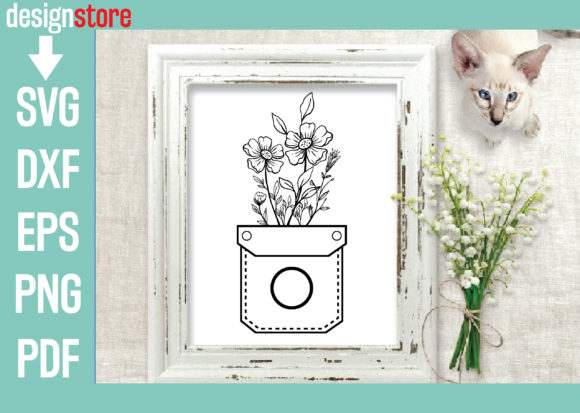
- Verify File Formats: The listing confirms the inclusion of SVG, PNG, DXF, PDF, and EPS files. Ensure your software supports these formats. If you are using this for printing on mugs or signs, the high-resolution PNG and PDF files are essential for crisp output.
- Check Licensing: Before selling finished items or digital products containing this design, confirm the licensing terms. Understanding whether you can sell the physical handmade product versus reselling the digital file is crucial for legal compliance.
- Mockup Testing: Create printable mockups to visualize how the design looks on different backgrounds. Test it in black and white to see if the contrast holds up without color reliance.
- Stabilizer Selection: Match your stabilizer to the fabric weight. Heavyweight tear-away for denim, cut-away for knits, and wash-away for delicate surfaces.
Final Verdict: A Versatile Asset for Creative Entrepreneurs
In conclusion, August-wild Flower is a thoughtful addition to any design assets library. It bridges the gap between artistic flair and technical feasibility, offering a design that feels both modern and timeless. For the Etsy seller looking to expand their catalog or the commercial embroidery studio seeking unique motifs for client projects, this file delivers value. Its ability to adapt to various applications—from holiday embroidery gifts to everyday custom apparel—makes it a smart choice for serious makers.
The key to success lies in preparation. By respecting the limitations of the medium and applying professional techniques regarding stabilization and color contrast, you can transform this digital graphic into a stunning physical reality. Whether you are creating a single personalized gift or launching a new line of small shop merchandise, August-wild Flower provides the visual foundation needed to build trust and engagement with your customers. It is a reminder that in the world of embroidery, the best designs are those that honor both the art and the craft.