July-Wild Flower: A Designer's Practical Review
As a designer who has spent years translating digital concepts into tangible thread, I approach every new asset with a mix of excitement and skepticism. The market is flooded with generic patterns, so finding a piece like July-wild Flower that actually feels ready for production requires a critical eye. When I first opened the files for this design, my immediate goal was to determine if it could survive the transition from a crisp screen image to a textured, stitched reality. This review isn't about listing file types; it is about understanding how this specific floral motif performs when you load it into your machine and pull the hoop.
First Impressions: Mood and Visual Personality
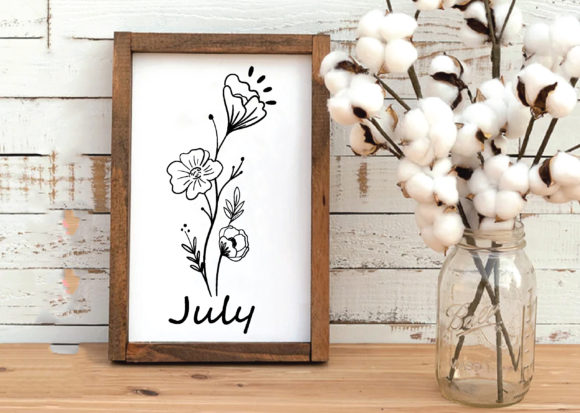
The July-wild Flower design immediately evokes a sense of unbridled summer growth. Unlike stiff, symmetrical botanical illustrations often found in older libraries, this graphic captures the chaotic beauty of a meadow in mid-bloom. The layout suggests movement, with petals that seem to sway rather than stand rigid. For an embroidery project, this organic feel is crucial. It tells me right away that this design belongs on items where comfort and softness are priorities, such as a linen tote bag or a cotton sweatshirt, rather than on structured formal wear.
The visual weight of the flowers is balanced well enough to avoid looking cluttered, yet detailed enough to hold attention. In the context of Crafts, this kind of aesthetic is gold for small business owners trying to differentiate their brand. It screams "handmade" without needing actual hand-stitching, bridging the gap between industrial efficiency and artisanal charm. The color palette implied by the line work suggests it will work beautifully with pastel threads for a spring collection or bold, saturated hues for a statement piece.
Real-World Application: From Hoop to Finished Product
To truly test the viability of July-wild Flower, I imagined a specific scenario: creating a limited run of personalized tote bags for a local boutique. These bags need to be durable, visually striking from a distance, and capable of withstanding frequent washing. Here is how the design holds up in that environment.
When planning the placement on a canvas tote, the scale of the wildflowers allows for flexibility. You can center a large version for a bold statement or scatter smaller iterations along the side seams. Because the design is available as a high-resolution digital embroidery file (specifically SVG, DXF, EPS, and others), scaling is less of a headache than with lower-quality raster images. However, scaling always introduces risks. If you shrink the design too much for a cap patch, the delicate petals might merge, losing the definition that makes the flower look "wild."
For custom apparel, particularly sweatshirts, the density of the fill stitch becomes a major factor. Wildflower designs often rely on intricate details that can turn into stiff blobs if the stitch count is too high. I would recommend testing the July-wild Flower pattern on a scrap piece of fleece first. Check the back of the stitching to ensure there are no excessive jumps or loose threads that could snag during wear. If the stitch density feels heavy, consider using a lighter stabilizer or adjusting the tension on your machine to maintain the drape of the fabric.
Best Use Cases for Small Shop Products
- Tote Bag Design: The open nature of the flowers works perfectly on the flat surface of a canvas bag, allowing the texture of the fabric to show through the gaps in the stitch.
- Baby Embroidery: Soft, rounded edges make this ideal for baby blankets or bibs, provided the thread colors are non-toxic and the backing is secure.
- Kitchen Textiles: Imagine this design on a tea towel or apron. The rustic, garden-inspired theme fits the kitchen aesthetic naturally.
- Personalized Gifts: Adding a name below the floral cluster creates a unique personalized gift that feels bespoke rather than mass-produced.
Navigating Challenges: Where Caution is Needed
No design is universally perfect, and July-wild Flower has its limitations. One area of concern is textured fabrics. If you attempt to embroider this on a thick cable-knit sweater or a nubby linen, the fine lines of the petals may get lost in the weave of the material. The design relies on clean edges to define its shape, which can be compromised by uneven surfaces.
Similarly, working with stretchy fabric requires careful stabilization. The organic curves of the flowers can distort if the fabric shifts while stitching. Using a cut-away stabilizer is essential here to prevent the finished product from puckering. Another pitfall to avoid is placing this design on dark fabrics without proper underlay. Without a solid base layer of white thread, the vibrant colors of the wildflowers might appear muddy against a black background.
For those considering this for commercial embroidery projects involving curved surfaces like baseball caps, pay close attention to the corners. Sharp angles in floral designs can sometimes cause thread breakage or poor lay-down on the crown of a hat. You may need to manually adjust the digitizing slightly to smooth out these transitions before running a full production batch.
Design Assets and Business Viability
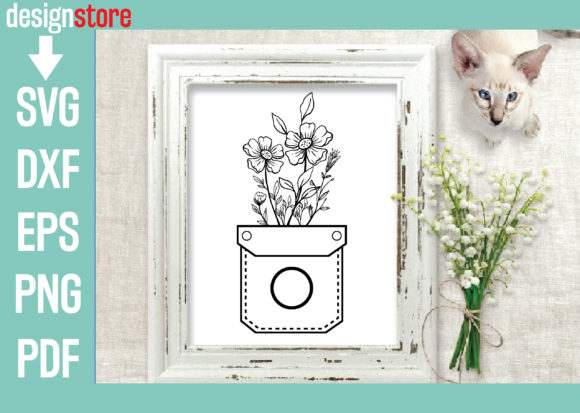
From a business perspective, the versatility of the included file formats—SVG, PNG, DXF, PDF, and EPS—makes July-wild Flower a robust asset for an Etsy seller or craft entrepreneur. While the primary focus here is embroidery, the ability to print these graphics on mugs, signs, or stickers expands your revenue streams. You can use the vector files to create printable mockups for your shop listings, giving customers a clear idea of how the final product will look before they buy.
However, as a professional reviewer, I must emphasize the importance of licensing. Before selling any finished product featuring this design, confirm the terms of use. Some licenses allow for personal use only, while others permit commercial sales of physical goods but restrict the resale of the digital files themselves. Ensuring you have the right to sell items made with July-wild Flower protects your business from legal headaches down the road.
Final Verdict for the Creative Entrepreneur
In conclusion, July-wild Flower is a strong contender for your design library, particularly for makers focusing on lifestyle goods and seasonal collections. Its natural, flowing aesthetic translates well to machine embroidery when paired with the right fabric and stabilizer. It offers the visual appeal needed to elevate a simple t-shirt into a boutique-worthy item and provides enough detail to satisfy discerning customers looking for quality craftsmanship.
My advice is to treat this design as a partner in your creative process, not just a file to download and stitch. Test it, tweak your settings, and experiment with different thread colors to see what pops. Whether you are making a holiday gift, a wedding favor, or a core product for your online store, this floral motif brings a touch of summer charm that resonates with buyers. Just remember to respect the technical limits of your equipment and fabric, and you will find that July-wild Flower delivers a beautiful, professional result every time.