Bunny Love: A Designer's Real-World Embroidery Review
As someone who has spent years navigating the delicate balance between digital graphics and physical thread, I approach every new machine embroidery design with a critical eye. When I first opened the Bunny Love file, my immediate goal wasn't just to see a cute image; it was to visualize how this specific Graphics asset would translate into a tangible, high-quality handmade product. In the world of Crafts, the gap between a pretty screen preview and a flawless stitched finish can be wide. This review breaks down exactly how Bunny Love performs when moved from the digital realm to real-world applications like custom apparel, nursery decor, and boutique merchandise.
First Impressions: Mood, Shape, and Visual Personality
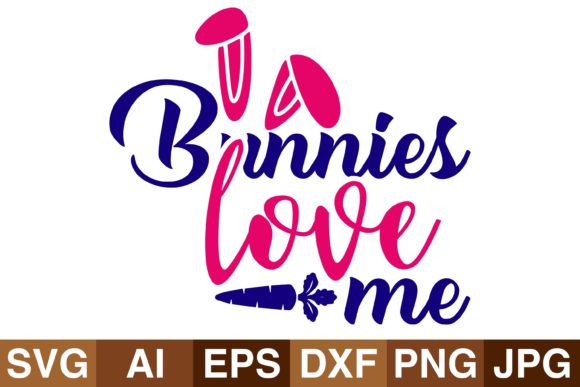
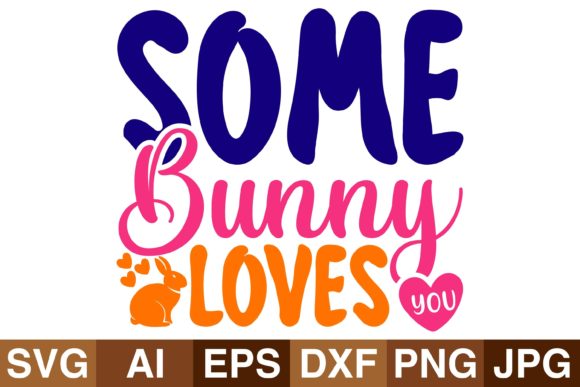
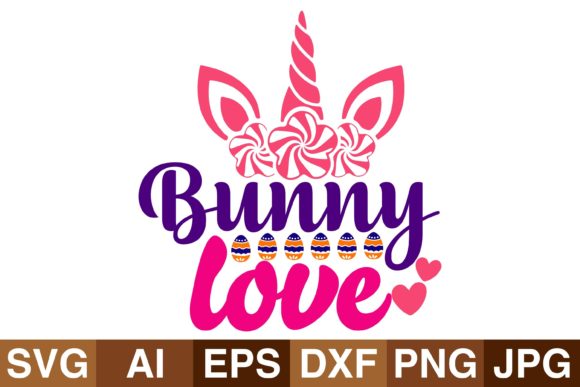
The moment you load Bunny Love into your digitizing software or hoop simulator, the intent is clear. It carries a distinct Easter designs vibe, radiating warmth and playfulness without feeling overly cluttered. The shape is organic and inviting, which is crucial for an embroidery project intended for baby items or holiday gifts. Unlike some generic clip art that relies on thin lines that might break during stitching, Bunny Love appears to have a solid structural integrity. The layout suggests a balanced mix of fill stitch areas and potential satin stitch accents, which usually indicates good coverage on fabric.
For an Etsy seller or a small shop owner looking to refresh their seasonal inventory, this design offers a professional aesthetic. It doesn't scream "amateur," which is often the case with free or low-effort downloads. Instead, it feels like a polished commercial embroidery asset ready to elevate a basic tote bag or a plain sweatshirt into a premium item. The visual personality is friendly and approachable, making it an excellent candidate for personalized gift items where emotional connection drives sales.
Real-Life Application: From Digital File to Finished Product
To truly test the viability of Bunny Love, I mentally mapped out a few specific scenarios where this design would shine. Imagine preparing a custom embroidered tote bag for a spring craft fair. The canvas texture of a tote is forgiving, allowing the stitch density of Bunny Love to settle nicely without puckering. If you were to use this on a heavy cotton canvas, the design would likely pop, offering a nice contrast that draws the customer in immediately.
Consider another scenario: a baby embroidery project for a onesie or a soft blanket. Here, the choice of thread colors becomes paramount. Bunny Love works best with pastel palettes or soft contrasts that mimic the gentle nature of the theme. On a white or cream background, the design creates a focal point that parents love for nursery decor. However, if you are aiming for a darker fabric, such as a navy blue sweatshirt, you must ensure the digitization allows for enough underlay to prevent the dark fibers from showing through the lighter threads. This is where the quality of the embroidery file makes or breaks the final look.
I also envision Bunny Love as a key element in a line of holiday embroidery patches. Patches require precision because they are often sold individually or attached to denim jackets and backpacks. The clean lines suggested by the design make it suitable for creating an embroidered patch that looks crisp even at smaller scales. For a small shop product line, consistency is key, and a reliable design like this ensures that every finished product meets the brand's standard of quality.
Navigating Challenges: Where Caution Is Required
While Bunny Love is versatile, it is not a magic bullet for every situation. As an experienced designer, I always advise caution when applying complex graphics to challenging substrates. If you plan to use this design on stretchy fabric like jersey knit, you must be diligent about using the correct stabilizer. Without adequate support, the tension from the stitches could cause the fabric to pucker, distorting the cute bunny shape and ruining the finished product.
Similarly, avoid placing Bunny Love on highly textured fabrics unless you have tested it extensively. Thick weaves or nubby surfaces can interfere with the needle penetration, leading to skipped stitches or uneven fill stitch coverage. This is particularly important for items that need frequent washing, such as kitchen towels or aprons. If the stitch density is too loose, the design may fray over time; if it is too dense, the fabric might become stiff and uncomfortable against the skin.
Another area requiring attention is the hoop size. While the design seems compact, always verify the dimensions before hooping. Attempting to fit a design into a hoop that is too small can result in distorted edges or incomplete stitching. Conversely, using a hoop that is too large might lead to unnecessary shifting of the fabric. Always check whether the design works for both personal and commercial projects within your specific equipment constraints.
Designer Notes: Ensuring Professional Results
Before committing to a batch production run or selling a single piece featuring Bunny Love, there are several practical steps you should take. First, always test the design on scrap fabric first. Use the same material and stabilizer you intend to use for the final project. This trial run will reveal any issues with thread breaks, tension problems, or registration errors that aren't visible on a computer screen.
Next, review the thread color contrast. What looks vibrant on a monitor might appear muddy on certain fabrics. Test it in black and white mockups to assess the silhouette, but then move to actual swatches to gauge the true color impact. Compare light and dark fabric backgrounds to see how the design adapts. For instance, a white thread on a black sweatshirt requires a different approach than a multicolor design on a beige tote bag.
Inspect the small details closely. Are there tiny letters or intricate curves that might get lost in the stitching process? If the design includes fine details, consider simplifying them slightly or ensuring your machine is calibrated perfectly. Finally, confirm licensing before selling finished items or digital products. Ensure you have the right to use Bunny Love for commercial embroidery purposes, whether you are selling the physical goods or offering a digital embroidery file to other makers.
Final Verdict: Value and Versatility
In conclusion, Bunny Love stands out as a strong contender for anyone looking to add a touch of seasonal charm to their portfolio. It strikes a balance between simplicity and detail, making it accessible for hobbyists while remaining robust enough for apparel decorators and professional shops. Whether you are creating a custom apparel piece, a heartfelt personalized gift, or expanding your craft business inventory, this design offers a reliable foundation.
The key to success lies in preparation. By understanding the limitations of your materials and taking the time to test thoroughly, you can ensure that Bunny Love translates beautifully from a digital graphic to a cherished physical object. For those seeking to build trust with their customers through high-quality presentation, this design delivers the professionalism needed to stand out in a crowded market. Just remember to check the specific technical requirements of the file before starting, and you'll be well on your way to creating stunning, sellable pieces.