Deck the Halls: A Designer's Real-World Review
As a designer who has spent years navigating the intersection of digital graphics and physical textiles, I approach every new machine embroidery design with a critical eye. The holiday season is approaching, and my inbox is flooded with requests for festive apparel and home goods. That is why I recently pulled up the Deck the Halls design to see if it holds up under the pressure of a real commercial project. This is not just about downloading a file; it is about understanding how a Graphics asset translates into a tangible, high-quality handmade product.
First Impressions: Mood and Visual Weight
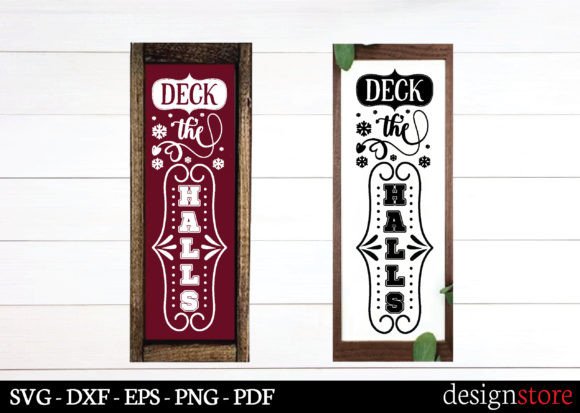
When I first opened the preview for Deck the Halls, the immediate feeling was one of classic, uncluttered festivity. In the world of holiday embroidery, designs often suffer from being too busy or overly detailed, which can lead to stitching nightmares on textured fabrics. However, this design strikes a balance that feels intentional. The layout suggests a strong silhouette, which is crucial when you are planning a sweatshirt embroidery project or a bold statement on a canvas tote.
The visual personality here leans towards traditional rather than modern minimalism. It feels like a design that belongs on a family heirloom quilt or a boutique personalized gift. For an Etsy seller looking to build a cohesive brand, this kind of aesthetic provides a reliable anchor. It does not scream for attention in a chaotic way but rather invites the customer to appreciate the craftsmanship. The shape is distinct enough to stand out even when scaled down slightly, which is a significant plus for versatility.
Testing the Waters: A Custom Tote Bag Scenario
To truly evaluate Deck the Halls, I need to visualize it in action. Let us imagine I am preparing a batch of custom canvas tote bags for a local craft fair. These bags will be sold as reusable holiday shopping totes. The fabric is a medium-weight cotton duck, which has a slight texture but is generally forgiving for embroidery.
In this scenario, the embroidery file needs to translate cleanly. If I were to use this design on the front center of the bag, the stitch density becomes a primary concern. Designs with heavy fill areas can sometimes pucker thinner fabrics or create a stiff patch that makes the bag uncomfortable to carry. Looking at the structure of Deck the Halls, it appears to rely on a mix of satin and fill stitches. This combination usually offers good coverage without excessive bulk, provided the hoop size is managed correctly.
I would likely test this on a scrap piece of the same canvas first. I want to ensure that the thread colors pop against the natural beige of the bag. If the design relies heavily on red and green, I must check that the contrast remains sharp after washing. A successful finished product should look crisp, not muddy, even after the customer has used the bag multiple times.
Navigating Fabric Challenges and Stitching Nuances
While Deck the Halls looks promising, experienced designers know that no design works perfectly on every surface without adjustment. There are specific situations where caution is required. For instance, attempting this design on a stretchy knit fabric for a baby embroidery item requires a heavy-duty stabilizer. Without proper backing, the tension of the machine could distort the design, making the text or decorative elements look wavy and unprofessional.
Similarly, if you are considering this for a curved surface like a baseball cap, the curvature can compress the details. If the design contains tiny lettering or intricate corners, those might get lost or merge together on the curve of a visor. In such cases, I would recommend checking the smallest details in the preview and perhaps simplifying the area or using a larger hoop to maintain clarity.
Another consideration is the background color. While the design might look stunning on a white custom apparel item, dark fabrics require different thread choices to maintain visibility. You cannot simply swap the thread colors in your head; you must verify that the fill stitch is dense enough to cover the dark fibers underneath. If the design is too open, the black fabric might show through, ruining the intended look of the commercial embroidery project.
Commercial Viability and Business Strategy
For small business owners and creative entrepreneurs, the value of a design extends beyond its aesthetics. It is about how it contributes to your brand consistency and customer trust. Deck the Halls offers a level of professionalism that can elevate a simple tote bag design into a premium small shop product. When customers receive a well-executed embroidered item, they perceive higher value, which often leads to better reviews and repeat business.
However, before you start selling items featuring this design, you must confirm the licensing terms. The listing mentions that the files include SVG, PNG, DXF, PDF, and EPS formats, which are excellent for versatility. These digital product sellers can use these assets for print-on-demand services like mugs, signs, or stickers, in addition to embroidery. But remember, just because you have the files does not automatically grant you commercial rights for the finished goods. Always read the license agreement to ensure you are compliant when selling personalized products or embroidered patches.
Practical Designer Notes for Success
If you decide to incorporate Deck the Halls into your workflow, follow these practical steps to ensure a flawless result:
- Test on Scrap Fabric: Never run the design directly on your final material. Use a scrap piece of the exact same fabric to check for puckering and alignment.
- Check Thread Contrast: Ensure the chosen thread colors provide enough contrast against both light and dark backgrounds if you plan to offer multiple options.
- Review Stitch Density: Look closely at the fill areas. If they seem too dense, reduce the density in your software to prevent stiffness in the final garment.
- Confirm Hoop Size: Verify that the design fits comfortably within your hoop without crowding the edges, which can cause registration errors.
- Inspect Small Details: Zoom in on the design to ensure no tiny lines or letters will disappear during the stitching process.
- Use Proper Stabilizer: Match the stabilizer weight to the fabric type. Heavyweight stabilizers are essential for knits and stretchy materials.
- Create Mockups: Generate printable mockup images in black and white to see how the design reads without color bias before committing to production.
Final Thoughts on Craftsmanship
In the crowded market of Crafts and digital assets, finding a design that balances style with functionality is rare. Deck the Halls demonstrates a solid foundation for creating memorable holiday gifts and professional merchandise. It respects the limitations of the embroidery machine while offering enough visual interest to captivate buyers.
Whether you are a hobbyist making a pillow cover for your own home or a seasoned Etsy seller scaling up for the holidays, this design offers a reliable path to quality. By taking the time to test, adjust, and apply it thoughtfully, you can turn a simple embroidery project into a standout piece that customers will cherish. Remember, the best design is not just about what it looks like on a screen, but how it feels and performs in the hands of the person who uses it.