Ducking Autocorrect Svg: A Designer's Real-World Review
As someone who has spent years navigating the intersection of digital graphics and physical thread, I approach every new machine embroidery design with a critical eye. The market is flooded with files that look stunning on a screen but fall apart when converted to stitches. When I first encountered the Ducking Autocorrect Svg, my immediate reaction was curiosity mixed with skepticism. It sits in the Crafts category as a versatile Graphics asset, promising instant download capabilities across SVG, PNG, DXF, PDF, and EPS formats. But does it translate from a digital file into a high-quality finished product? Let's dive into how this design performs in actual production scenarios.
First Impressions: Visual Personality and Design Intent
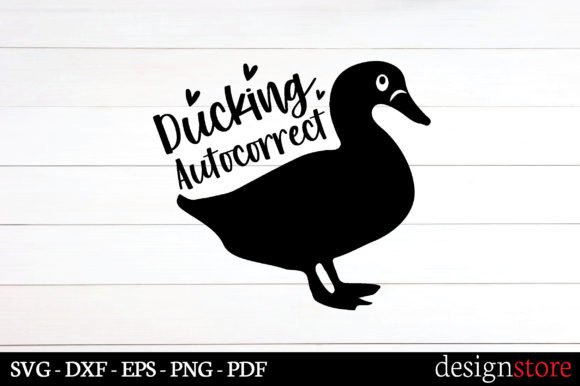
The Ducking Autocorrect Svg carries a distinct mood right out of the gate. It taps into the universal frustration of modern technology with a touch of humor. Visually, the layout is clean, avoiding the cluttered details that often plague text-heavy designs. For an embroidery project, simplicity is king. Complex lettering can turn into a tangled mess of knots if the stitch density isn't perfect. This design seems to strike a balance, offering enough visual interest to catch the eye without demanding impossible precision from your machine.
When evaluating a design for a small shop product or a Etsy seller listing, the "vibe" matters. This graphic feels like a conversation starter. It suggests a personality—witty, slightly rebellious, and relatable. That makes it a strong candidate for custom apparel where the goal is to express individuality. However, the success of the final piece depends entirely on how well the vector lines convert into satin stitch or fill stitch paths during the digitizing process.
Real-Life Application: From Screen to Sweatshirt
To truly test the waters, imagine you are preparing a batch of custom hoodies for a holiday pop-up shop. You need something that stands out against the heavy cotton fleece. The Ducking Autocorrect Svg works exceptionally well here because the bold shapes allow for clear definition even on textured fabrics. If you were to use this for sweatshirt embroidery, the larger areas would benefit from a dense fill stitch to ensure opacity, while the outlines could be rendered in a crisp satin stitch for contrast.
I recently considered using this design for a series of personalized tote bags. Tote bags are a staple for any craft business, and they require durability. The design's robust nature means it won't get lost in the weave of a canvas bag. Unlike delicate floral motifs that might fray over time, the bold typography and simple iconography of this embroidery file hold up well against the wear and tear of daily use. Whether you are making a tote bag design for a local market or a personalized gift for a tech-savvy friend, the visual impact remains consistent.
Consider also the potential for embroidered patch creation. Patches are a booming niche for handmade sellers. The clean edges of the Ducking Autocorrect Svg make it ideal for cutting around after stitching, ensuring a professional finish. You could easily create a collection of patches in various thread colors, turning a single digital asset into multiple revenue streams for your handmade product line.
Navigating Challenges: Where Caution is Needed
While the design is versatile, it is not without its pitfalls. As a designer, I must advise caution when working with small hoop sizes. If you attempt to shrink this design too much for a small cap or a baby item, the text may become illegible. Tiny lettering is the enemy of embroidery; threads tend to bunch up, obscuring the message. Always check the minimum recommended size before committing to a project.
Fabric choice is another critical factor. On dark fabrics, the thread colors need to be carefully selected to ensure visibility. A white outline might work wonders on a black sweatshirt, but on a navy blue knit, you might need a stabilizer with more grip to prevent shifting. Additionally, stretchy fabrics like jersey require a cutaway stabilizer to maintain the shape of the letters. Without proper support, the tension from the needle can cause the fabric to pucker, ruining the flat aesthetic of the Ducking Autocorrect Svg.
Be mindful of curved surfaces, such as baseball caps. The transition from a flat digital file to a rounded surface can distort the geometry of the text. It is crucial to test the design on a scrap piece of similar material first. If you are planning to sell these as holiday embroidery gifts, consistency is key. One distorted letter on a customer's order can lead to returns and damage your reputation as a commercial embroidery provider.
Practical Notes for Professional Execution
If you decide to integrate the Ducking Autocorrect Svg into your workflow, follow these practical steps to ensure a flawless result:
- Test on Scrap Fabric: Never skip the test run. Stitch the design on a swatch of the exact fabric you plan to use. Check for puckering, thread breaks, and alignment issues.
- Review Stitch Density: If the file includes fill areas, ensure the density isn't too high, which can stiffen the fabric, or too low, which allows the background to show through.
- Check Thread Contrast: Experiment with different thread colors against light and dark backgrounds. What looks good on a mockup might disappear on real cloth.
- Confirm Licensing: Before selling finished items or reselling the digital embroidery file, verify the license terms. Ensure you have the rights to use this asset for commercial projects.
- Use Proper Stabilizers: Match the stabilizer type to the fabric weight. Heavy tees need heavy support; delicate nursery decor needs lightweight backing.
Impact on Brand and Customer Perception
In the world of small business merchandise, the quality of your embroidery speaks volumes about your brand. A well-executed Ducking Autocorrect Svg project signals attention to detail and professionalism. Customers buying personalized products expect a premium feel. If the stitching is loose or the design is misaligned, it undermines the value of the item.
Conversely, a sharp, clean application of this design enhances customer trust. It shows that you understand the nuances of the craft. For an Etsy seller, high-quality photos of the finished product can drive engagement and sales. Use printable mockups to preview how the design will look on various items before investing in materials. This step helps you visualize the brand consistency across your catalog.
The Ducking Autocorrect Svg is more than just a funny phrase; it is a tool for connection. It resonates with people who appreciate humor in their daily lives. By applying it thoughtfully to custom apparel, baby embroidery items, or home decor like pillow covers, you create products that feel personal and relevant. The key lies in respecting the limitations of the medium while leveraging the strengths of the design.
Final Verdict for Makers and Entrepreneurs
Ultimately, the Ducking Autocorrect Svg is a solid addition to any design assets library for those willing to put in the technical effort. It offers a great starting point for creative entrepreneurs looking to expand their offerings. Whether you are a hobbyist creating gifts for friends or a seasoned decorator running a full-scale operation, this design provides the flexibility needed for diverse applications.
Remember, the magic happens not just in the file download, but in the execution. Take the time to test, stabilize, and refine. With the right approach, this embroidery project can become a standout item in your collection, proving that even a joke about autocorrect can be stitched into something truly valuable.