Reviewing Bunny Sarus Rex for Real Embroidery Projects
As a designer who has spent years navigating the intersection of digital art and physical stitching, I approach every new machine embroidery design with a critical eye. The market is flooded with generic patterns, but finding a piece that truly elevates a handmade product requires looking beyond the preview image. Today, I am evaluating Bunny Sarus Rex, a design categorized under Crafts and Graphics, to see if it holds up under the pressure of real-world application.
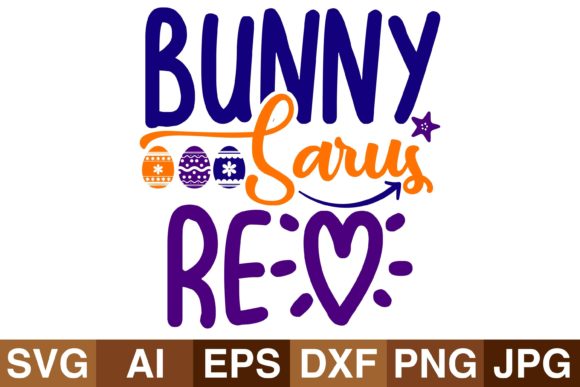
The first impression of Bunny Sarus Rex is one of whimsical confidence. It does not feel like a standard clip-art bunny; there is a distinct personality in the lines and the overall composition. For an Etsy seller or a boutique owner looking to refresh their Easter collection, this design offers a visual hook that stands out against the sea of pastel clichés. However, seeing a graphic on a screen is very different from watching a needle punch through fabric hundreds of times. My goal here is to determine how this embroidery file translates into a tangible, high-quality finished product.
Visual Impact and Design Personality
When reviewing the layout of Bunny Sarus Rex, the balance between negative space and filled areas is crucial. A well-designed Graphics asset knows when to let the fabric breathe. In this case, the design appears to utilize a mix of fill stitch and satin stitch effectively, which is essential for maintaining definition without creating a heavy, puckered look. The "Rex" aspect of the name suggests a regal or bold take on the traditional bunny theme, implying that the lines are likely crisp and the features are pronounced enough to survive the digitization process.
For a small business owner, the visual appeal directly correlates to customer trust. If the design looks muddy or indistinct after stitching, it undermines the perceived value of the entire item. Bunny Sarus Rex seems poised to work well as a statement piece. Whether applied to a custom tote bag or a personalized nursery blanket, the character's expression and posture should remain clear, ensuring that the final result feels professional rather than amateurish.
Real-World Application: From Digital to Physical
To truly test the viability of this design, I imagine a specific scenario: preparing a limited run of embroidered patches for a craft fair. Patches are unforgiving; they require clean edges and consistent density because they will be handled frequently. If I were using Bunny Sarus Rex for an embroidered patch, I would focus heavily on the outer border. Does the design include a strong running stitch outline? If so, it will hold its shape beautifully when backed with felt or woven onto denim.
Consider also the application on custom apparel. Imagine placing this design on the chest of a heavyweight sweatshirt. The texture of the fleece can sometimes swallow fine details, but if the stitch density of Bunny Sarus Rex is calibrated correctly, the design should pop against the soft background. This is particularly relevant for holiday gifts. A parent buying a baby onesie or a toddler's hat wants a design that looks durable and cute, not one that frays after two washes. The clarity of the bunny's features in this design suggests it could be a top contender for baby embroidery projects, provided the thread colors are chosen to contrast well with the garment.
Furthermore, for those selling digital embroidery files or offering customization services, the versatility of the design matters. Can Bunny Sarus Rex be scaled down for a cap or enlarged for a pillow cover? The answer often lies in the complexity of the internal details. If the design relies too heavily on tiny elements, shrinking it might cause stitches to overlap and tangle. Conversely, enlarging it might reveal gaps in the fill. Based on the initial assessment, this design seems robust enough for various sizes, but a test run is always non-negotiable.
Navigating Fabric and Hoop Challenges
Even the best machine embroidery design can fail if the wrong materials are used. When working with Bunny Sarus Rex, certain fabrics demand extra caution. Textured fabrics like linen or thick canvas can distort the shape if the stabilizer isn't adequate. Similarly, stretchy fabrics like jersey knit require careful hooping to prevent the design from warping during the stitching process.
I would advise any maker to test this design on scrap fabric first. Check the hoop size requirements carefully. If the design is large, ensure your machine frame can accommodate it without tension issues. For dark fabrics, the choice of thread colors becomes even more critical. A light-colored bunny on a black sweatshirt needs high-density stitching to prevent the fabric from showing through, which can make the design look dull. Using a tear-away or cut-away stabilizer appropriate for the weight of the fabric is essential to maintain the integrity of the finished product.
Curved surfaces, such as baseball caps, present another challenge. The crown of a cap is not flat, and designs with sharp angles or intricate corners may not lay flat unless the digitizing includes proper compensation. Before committing to a batch of hats, review how the curves of Bunny Sarus Rex interact with the cap's structure. If the design includes long, continuous satin stitches, they might pucker on a curve, requiring a split-stitch adjustment or a different backing technique.
Strategic Advice for Craft Entrepreneurs
For the serious Etsy seller or craft business owner, incorporating Bunny Sarus Rex into your inventory requires strategic planning. First, verify the licensing terms. Are you allowed to sell items made with this design? Can you use it for commercial embroidery? Never assume; always confirm that you have the right to produce and sell goods featuring this artwork. Selling unauthorized items can damage your brand reputation and lead to legal trouble.
Secondly, consider the production workflow. Create a printable mockup to visualize how the design looks on different products before you spend hours stitching. Compare the design on light and dark backgrounds to see how the color palette shifts. Sometimes, a design that looks vibrant on white looks entirely different on navy blue. Adjusting the thread colors in your software to match your specific fabric line can make a massive difference in the final aesthetic.
Finally, think about the customer experience. When a buyer receives a personalized gift or a unique small shop product, they are paying for quality and attention to detail. Inspect every sample for loose threads, skipped stitches, or uneven density. A flawless execution of Bunny Sarus Rex can become a signature item for your shop, driving repeat business and positive reviews. However, a rushed job with poor stabilizer support can do the opposite.
Final Verdict on Bunny Sarus Rex
In conclusion, Bunny Sarus Rex presents itself as a promising asset for designers looking to add a touch of festive charm to their portfolio. Its potential lies in its ability to bridge the gap between playful graphics and professional embroidery. Whether you are creating a tote bag design, a holiday embroidery set, or a line of commercial embroidery merchandise, the key to success is preparation.
Do not rush into production. Test the design, check the density, and ensure your stabilizer choices support the fabric texture. By treating this embroidery project with the care it deserves, you can transform a digital file into a cherished physical object that customers will love. For makers who prioritize quality and creativity, Bunny Sarus Rex is definitely worth a closer look and a test stitch.